About us
Bioactives harvested
directly from salmon cells.
Since 2016, we have worked to reduce the reliance on animals for products used and consumed by humans. For example, salmon PDRN (polydeoxyribonucleotide) is typically a slaughter byproduct, and is often sourced from problematic fishing or farming operations. Plant-derived inputs solve part of the problem, but their efficacy is limited because molecules such as collagen and many regenerative protein signals for human skin are not made by plants.
For these reasons, we set out to produce genuine salmon proteins, peptides, exosomes, and polynucleotides from cells instead of animals.
In 2018, a small number of cells were isolated from a juvenile Pacific coho salmon. These cells do not grow into a fish; they divide into more cells. We sustain them outside the animal with the nutrients they require — proteins, lipids, sugars, and trace minerals — all from non-animal sources. Like a starter culture, the line continues indefinitely without returning to the fish.
All MCC is produced in a repurposed brewery in San Francisco's Dogpatch neighborhood: FDA-inspected, cGMP-compliant, and the most traceable source of salmon-derived bioactives in the world. The underlying cell culture process was reviewed by the US FDA in a pre-market consultation under its Animal Cell Culture Foods program (consultation ID 005).
Defending Earth's wild places is central to our mission. We are part of PETA's “Eat Without Experiments” program and have partnered with The Conservation Fund on projects to protect threatened ecosystems.
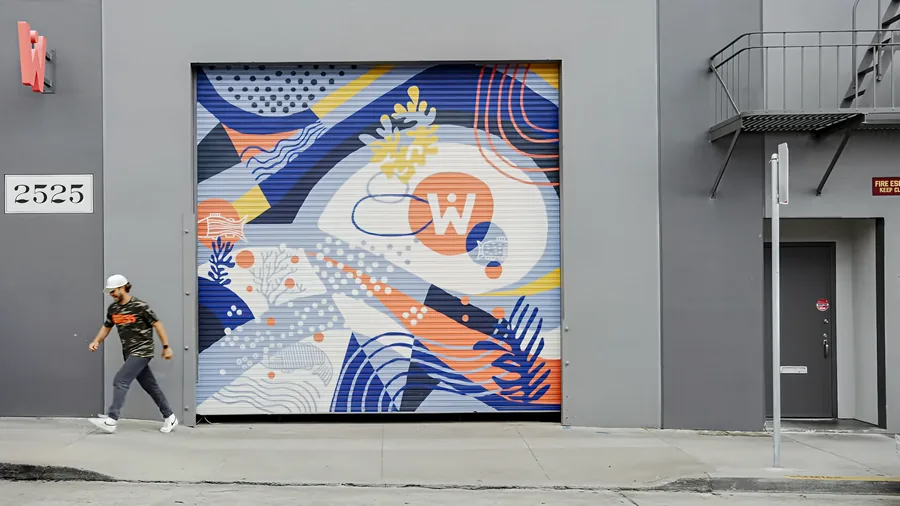
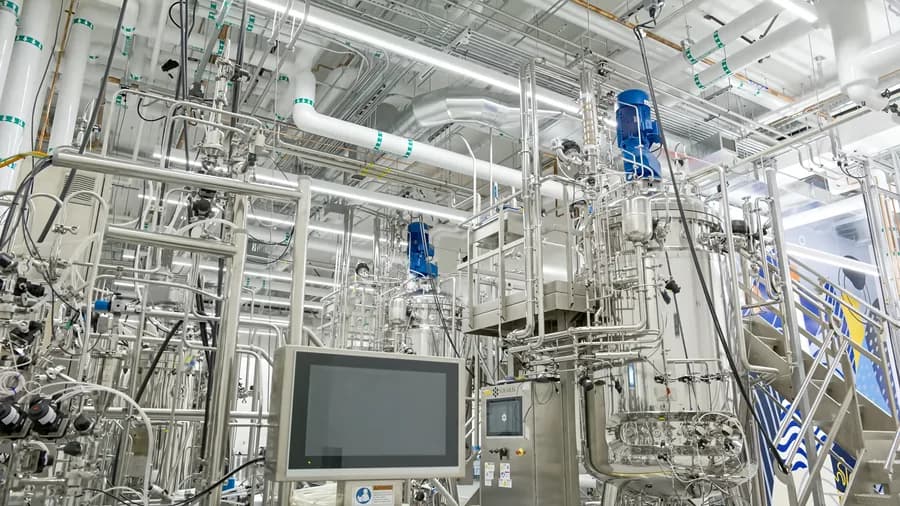
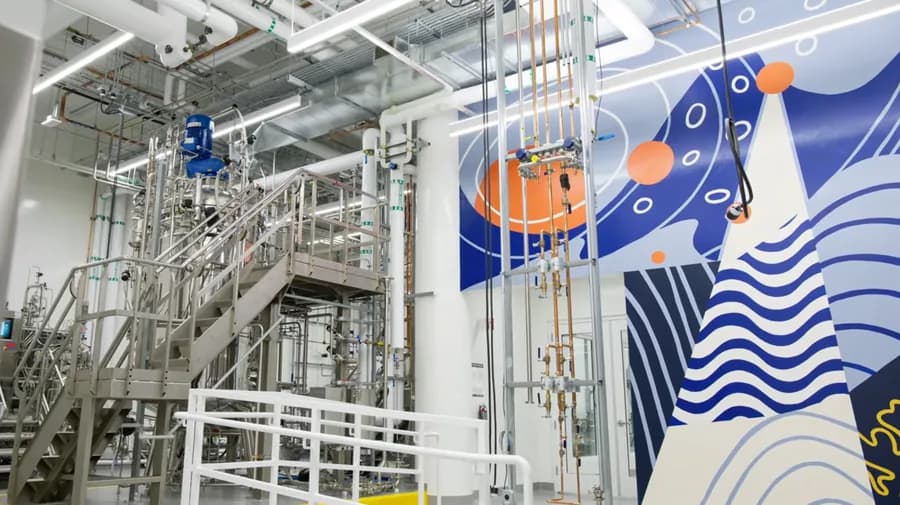
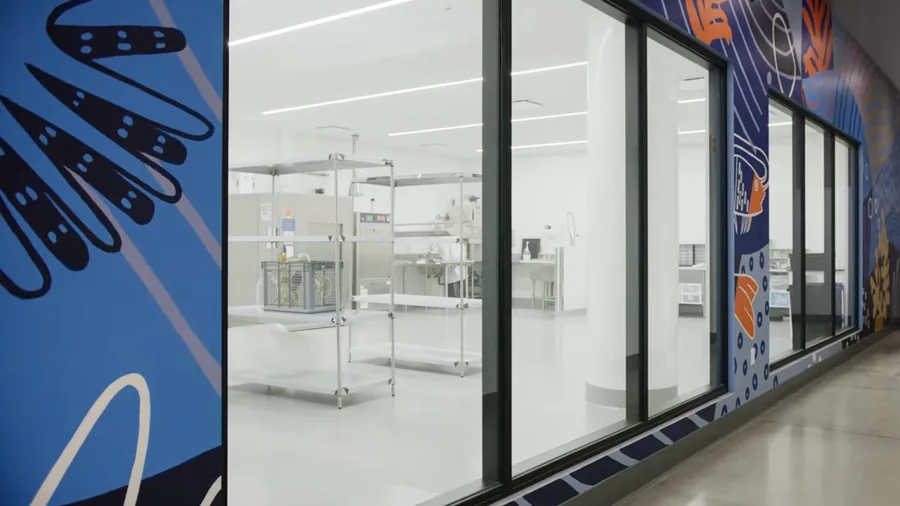
MCC production facility
San Francisco, California, USA